The Rayiro Orchestra
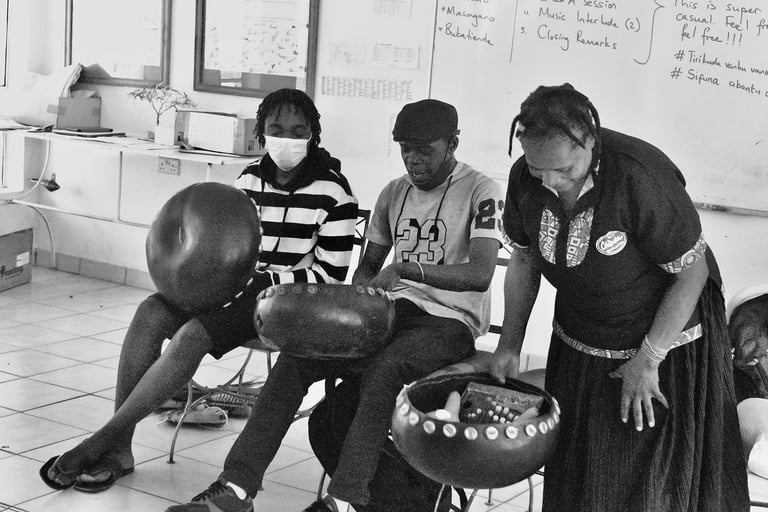
The Rayiro Orchestra is an on-going project by Anesu Ndoro which seeks to create a Zimbabwean orchestra of indigenous and neo-traditional African instruments.
This project balances two major undertakings: reviving musical instruments that are no longer played in Zimbabwe or close to extinction (culture conservation), as well as creating new traditional instruments inspired by folk music traditions around the world (culture innovation).
Environmental sustainability and accessibility are at the heart of this project as well. Priority is given to recycled building materials and straightforward designs meant to simplify scaling access/affordability to young Zimbabweans.
1. The Ridzautare Marimba
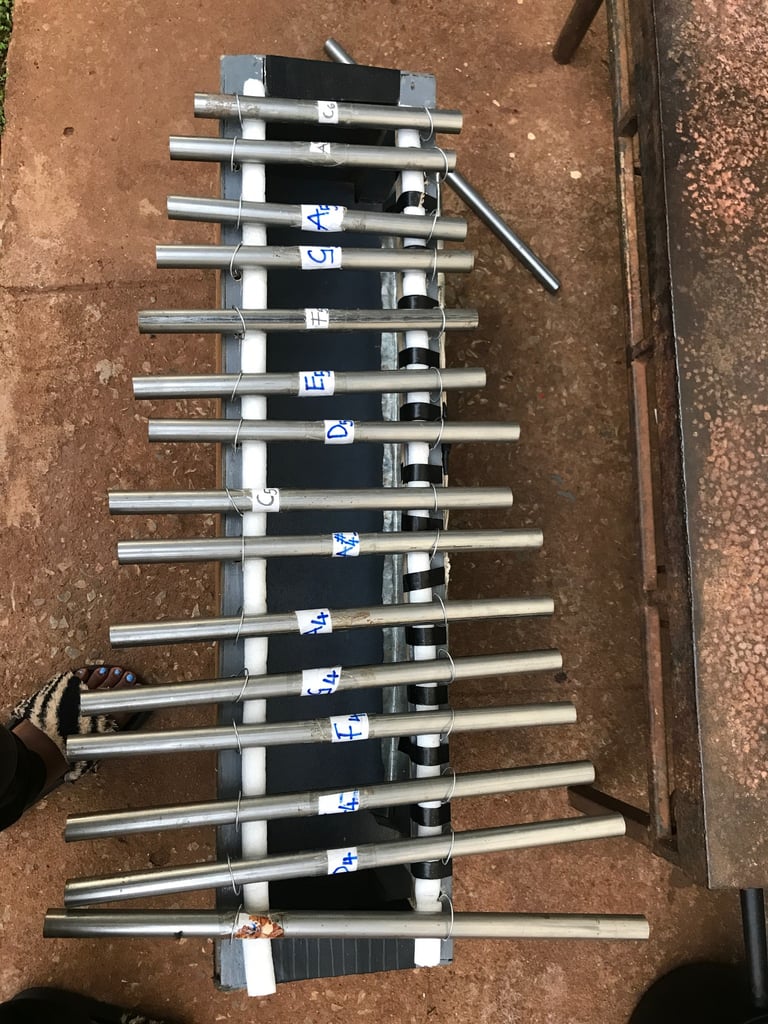
Based on the Zimbabwean marimba, this softer instrument made with repurposed steel pipes takes inspiration from metallic instruments such as glockenspiel. Read more about it here.
The Neo-Traditional Instruments Of The Rayiro Orchestra
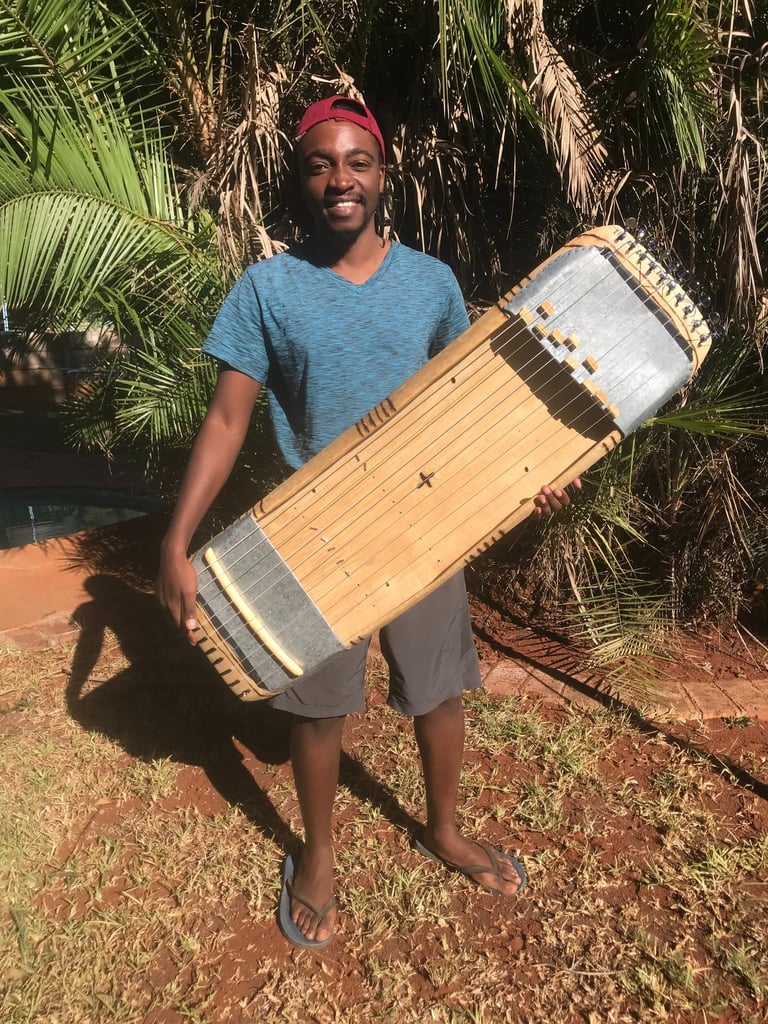
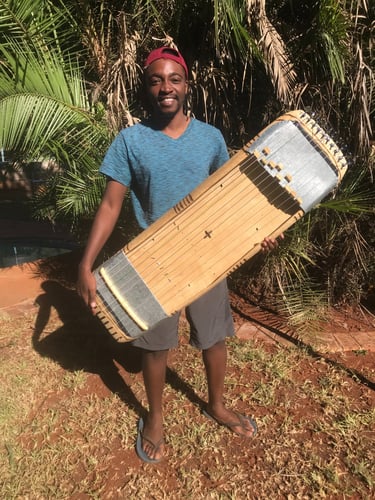
3. The Inanga reDzimbahwe
Based on the 5 note Inanga traditional instrument from East Africa, this version of the instrument is modified for traditional Zimbabwean 7 note musical scale, with a few changes. Read more about it here.
2. The Chivandudzo Lyre
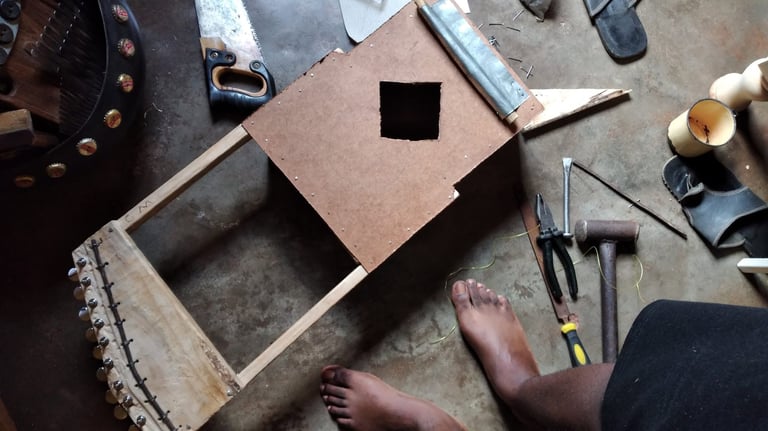
This box lyre has a bright sound. It was created using recycled wood from an old wardrobe, bicycle brake wires and guitar tuning pegs. Read more about it here.
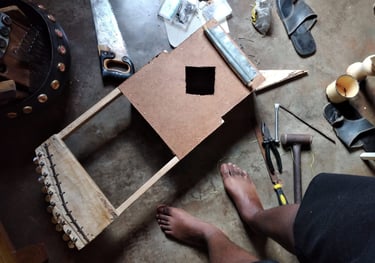
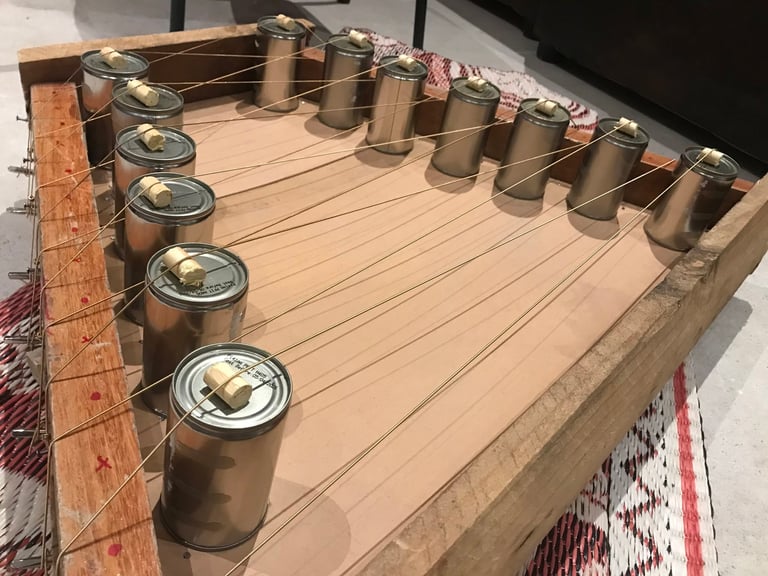
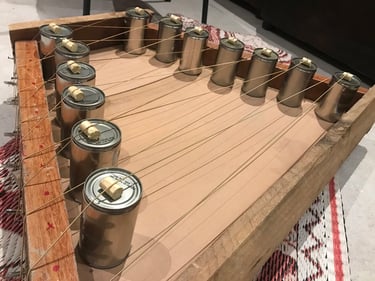
5. The Fafariva Hammared Zither
Created from scrap wood, recycled tin cans and old guitar strings, this instrument shows that music can be used to take care of the environment. Read more about it here.
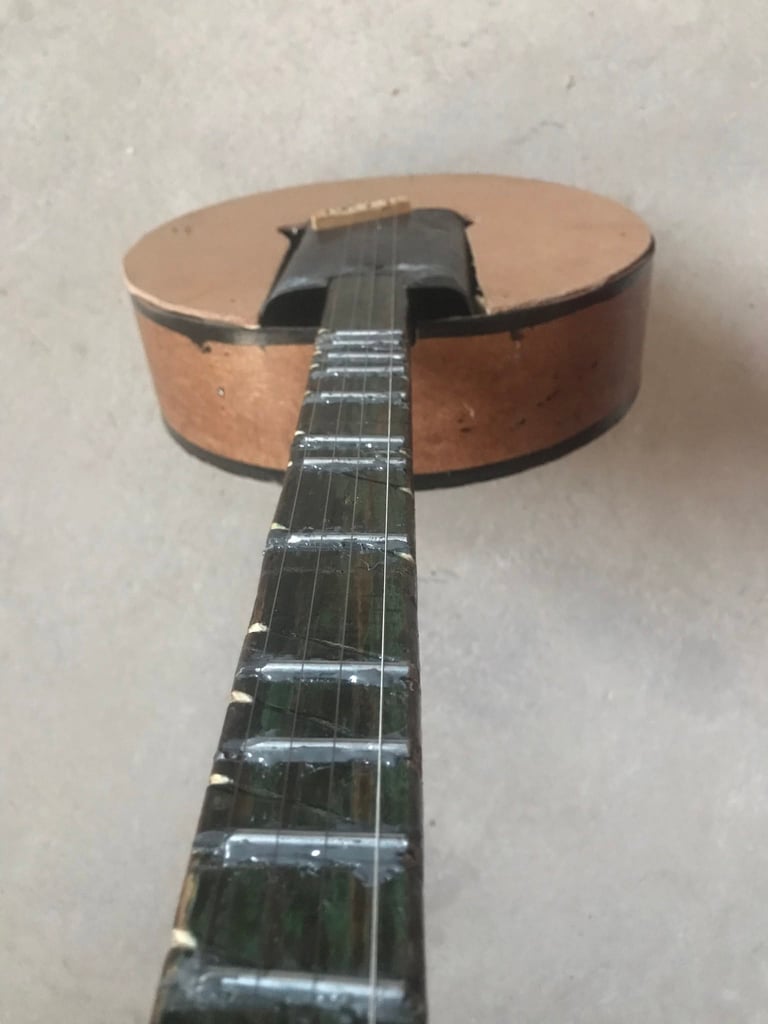
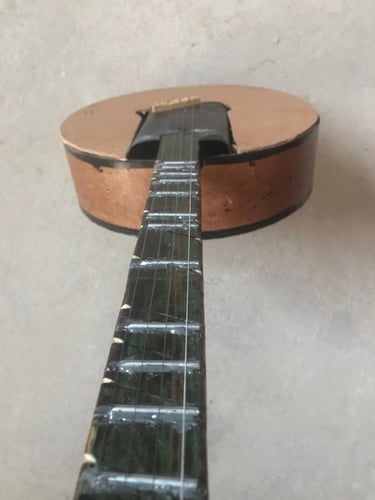
4. The Chipetura Lute
This instrument was made from a nyunganyunga mbira resonator, a paint can, and dulcimer strings. The tuning system is inspired by the Appalachian dulcimer, but played for Zimbabwean traditional music. Read more about it here.
3. The Chipendani Mouth Resonated Bow
This instrument was once popular among young shepherds and cattle herders. A mouth resonated bow, it consists of a beautifully carved wooden body, and a semi-divided metallic string. You play it by plucking the string and shaping the overtones with your mouth.
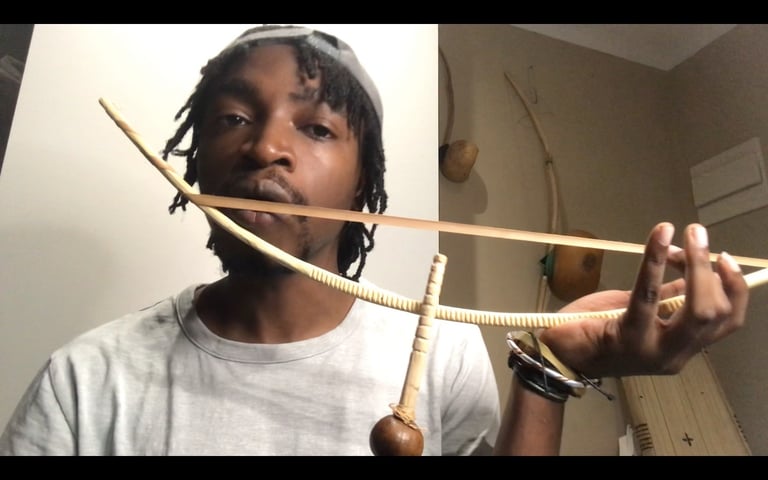
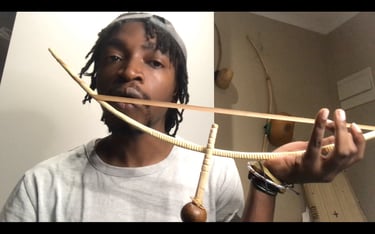
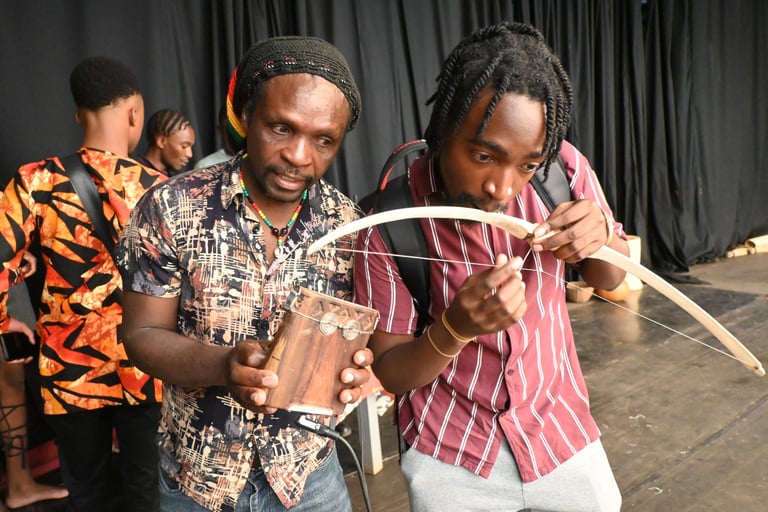
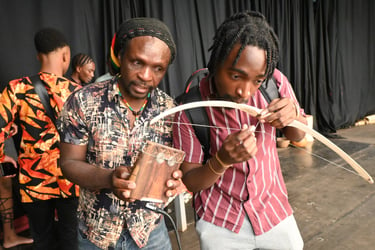
2. The Chizambi/Chizambe Mouth Resonated Bow
This rare mouth resonated bow is seeing a resurgence through our work. Made with a notched wooden stave body, a semi-resonant palm frond and a scrapper, the musician becomes part of the instrument as the use their mouth to amplify the overtones of the palm frond. Read more about it here.
The Classical Bow Instruments of Zimbabwe
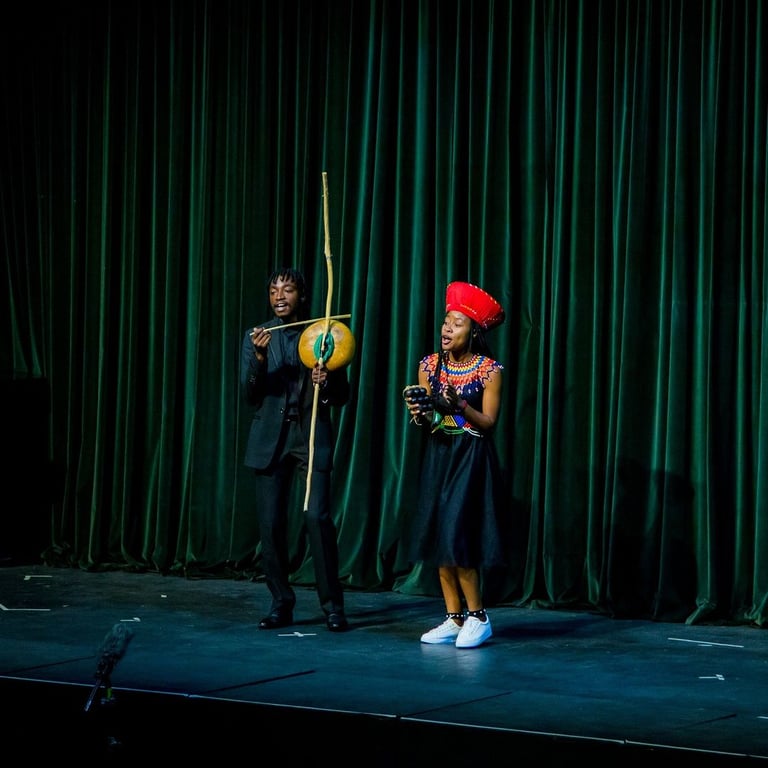
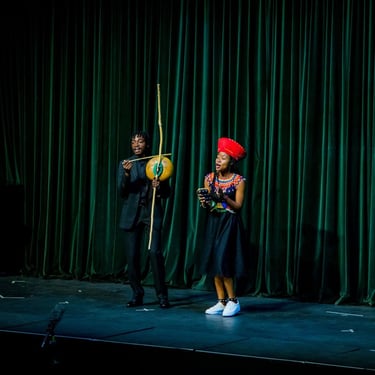
1. The Chitende Bow
The Chitende bow is one of Zimbabwe's ancient instruments, played among all the peoples of our nation with different names and tuning systems. It consists of a stave body, a gourd resonator, and sonic wire. You play on it by tapping on it with a playing reed.
3. The Mbira Nhare/dzavadzimu
We find this instrument all over Zimbabwe, though it is most common in Harare Metropolitan Province and Mashonaland East Province among the Zezuru people.
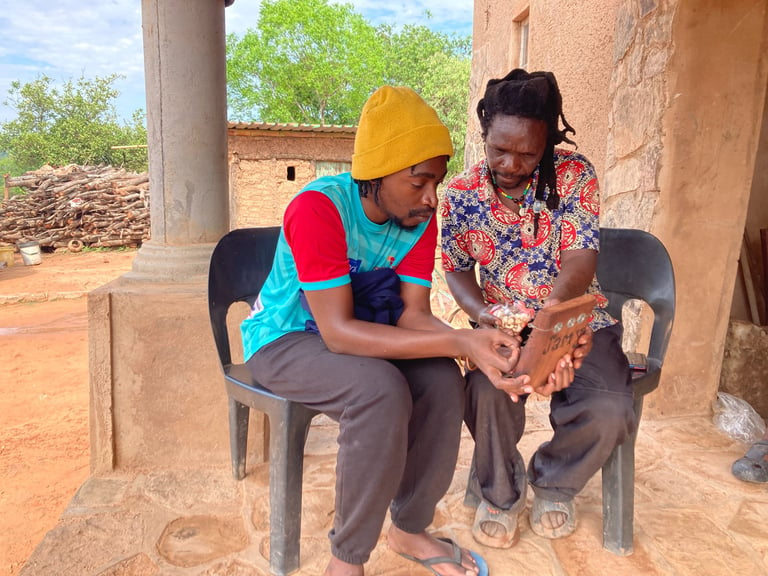

2. The Mbira dzaVaNdau
Originating from Manicaland Province/Mozambique among the Ndau people, this instrument is unique in that it is organized on a six note scale, in contrast to many other mbira traditions that use a 7 note scale from other provinces.
The Classical Mbira Instruments of Zimbabwe
6. The Matepe/Hera/Madhebhe
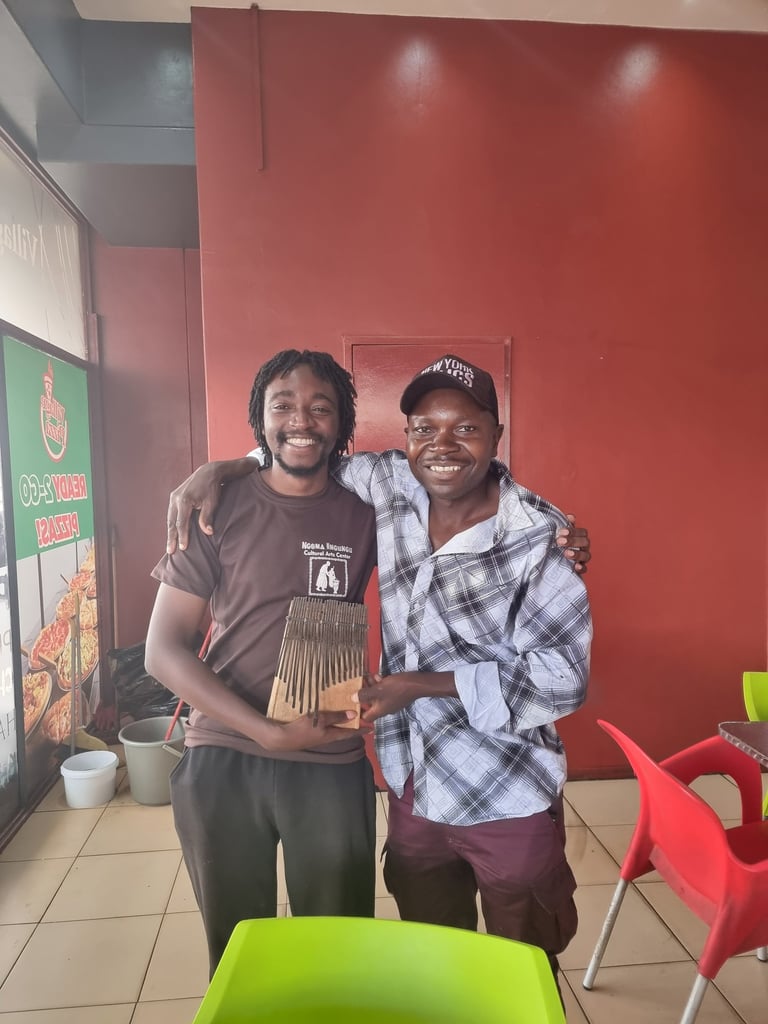
These instruments offer a unique and challenging interpretation of the mbira tradition. Found in Mashonaland Central, Mashonaland East, and Manicaland Provinces.


1. The Mbira Nyunga Nyunga
Innovated at the Kwanongoma School of Music in Bulawayo Metropolitan Province, and originating from Mozambique, the Nyunga Nyunga has seen many transformations over the years.
4. The Njari dzaVaNjanja/Makonde
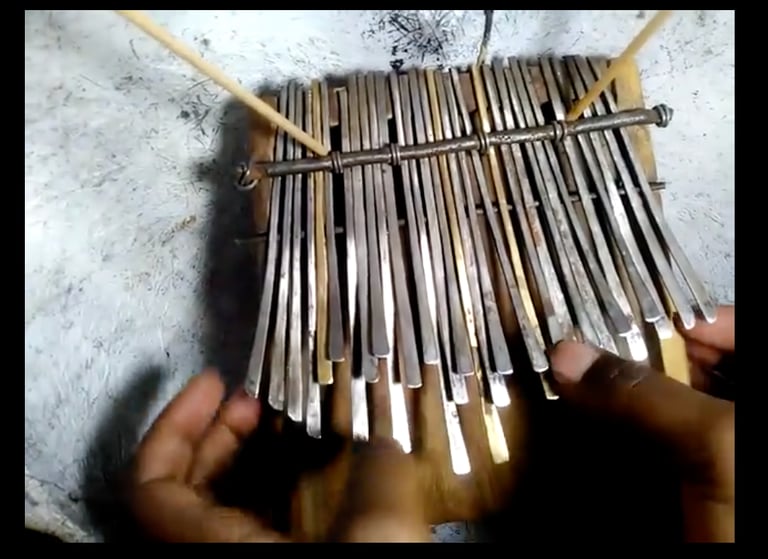
This versatile instrument comes in so many designs and layouts. Found in Mashonaland West Province.
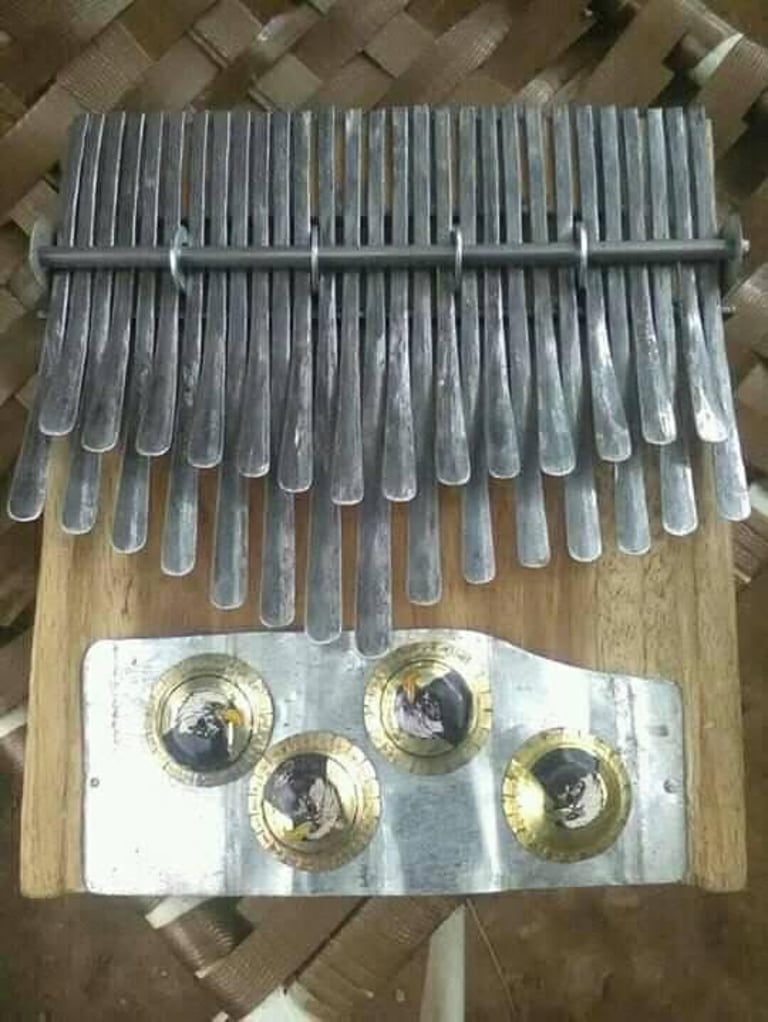
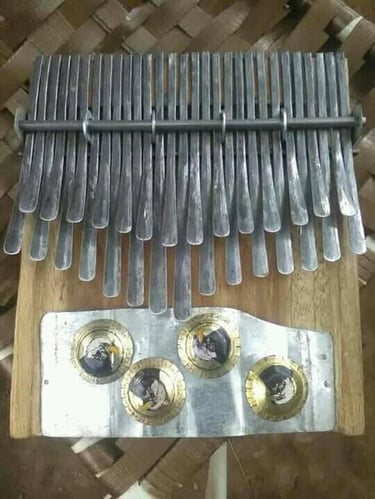
5. The Njari dzaVaKaranga
This version of the njari is found amoung the Karanga speaking people of Masvingo Province. It is thought to have arrived in the 1700s from Mozambique, and was championed by master players such as Sekuru Simon Mashoko.
Western Instruments


1. The Autoharp
The autoharp has German origins, and through his discovery of its use in American folk music, Anesu incorporates this instrument in a unique blend with Zimbabwe's mbira classic traditions.
Our Social Media
Newsletter
rayiroculturehub@gmail.com
+852 564 789 24
© 2026. All rights reserved.